
Well Water vs. City Water: Different Filtration Needs Choosing a water filtration system is less about marketing claims and more about understanding your source. City water and private well water often face different contamination profiles, which means the “best” filter for one household may be incomplete for another. City water is treated and monitored by utilities to meet regulatory standards, typically involving centralized processes such as coagulation, filtration, and disinfection. Private wells, by contrast, rely on homeowners to test and address water quality—because there is no equivalent routine treatment or oversight at the tap. What’s different about well water Well water quality can vary widely depending on geology, construction, and local conditions. Common concerns include naturally occurring minerals such as iron and manganese, microbial contamination from surface sources or well infrastructure issues, and dissolved substance ... Read more »
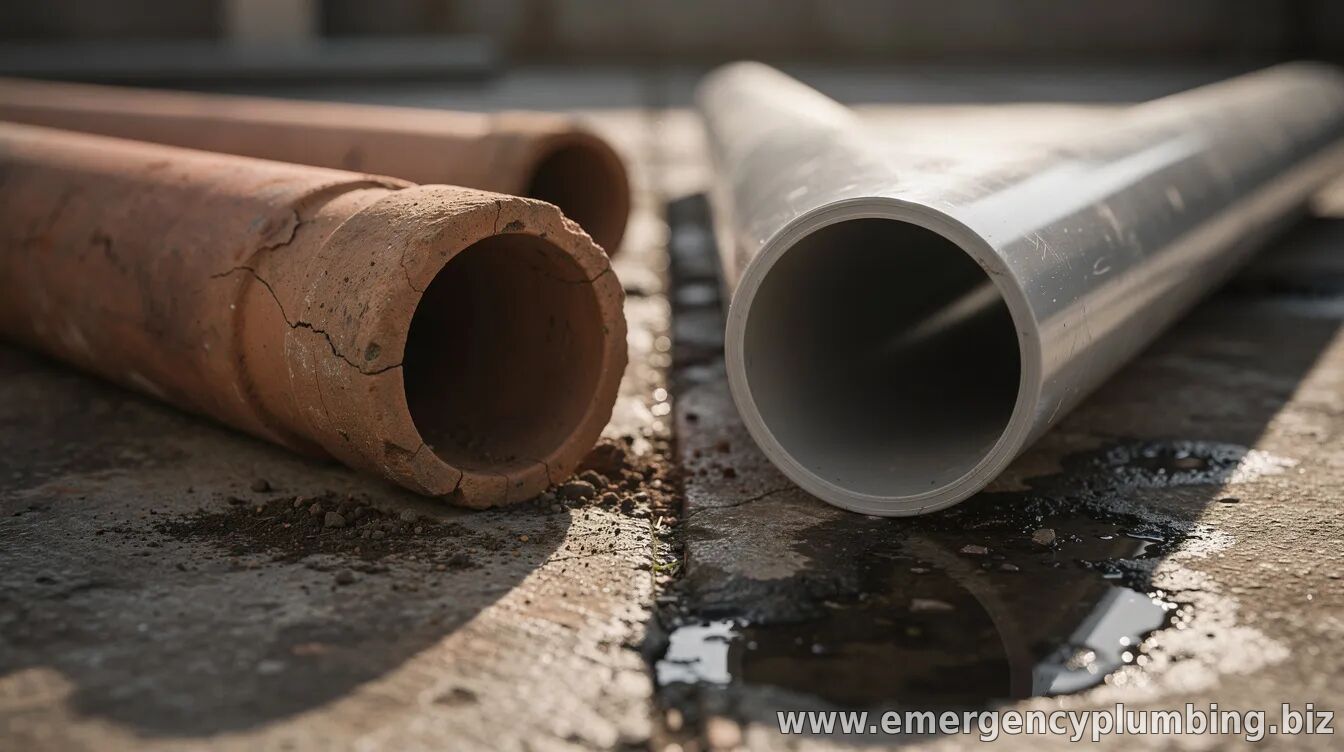
Clay vs PVC Sewer Pipe: Which Lasts Longer?
Sewer pipes don’t just have to survive water and waste—they also have to endure soil movement, traffic loads, root intrusion, corrosion, and the stresses of trenching and backfill. So when people ask whether clay or PVC sewer pipe lasts longer, the most honest answer is: both can last a long time, but in different ways.
Below is how durability typically compares, what most influences pipe lifespan, and how to choose a pipe material that fits your system and conditions.
Typical lifespan ranges
Exact service life varies by region, construction standards, and maintenance history, but common industry expectations are:
- Clay sewer pipe: often cited in the range of 50–100+ years in well-supported installations that avoid cracking and chronic infiltration.
- PVC sewer pipe: commonly designed fo ... Read more »
Comments
Post a Comment