UV Water Purification: How It Works and When You Need It UV water purification is a point-of-use (POU) or point-of-entry (POE) treatment method that uses ultraviolet light to deactivate microorganisms in water. Unlike boiling, UV doesn’t rely on heat; unlike chemical disinfection, it typically leaves no taste or smell. For households, travelers, and some facilities, UV has become a go-to option when reliable microbial control matters. The core idea is simple: expose water to the right dose of UV radiation so that pathogens can’t reproduce. In most UV systems, water flows through a chamber where a UV lamp emits UV-C light (commonly around 254 nm), which targets the DNA and RNA of bacteria, viruses, and some protozoa. How UV water purification works In practice, a UV unit is built around four elements: a UV lamp (the UV source), a quartz sleeve (to protect the lamp while allowing UV transmission), a flow path (so water passes through the treatment zone), an ......
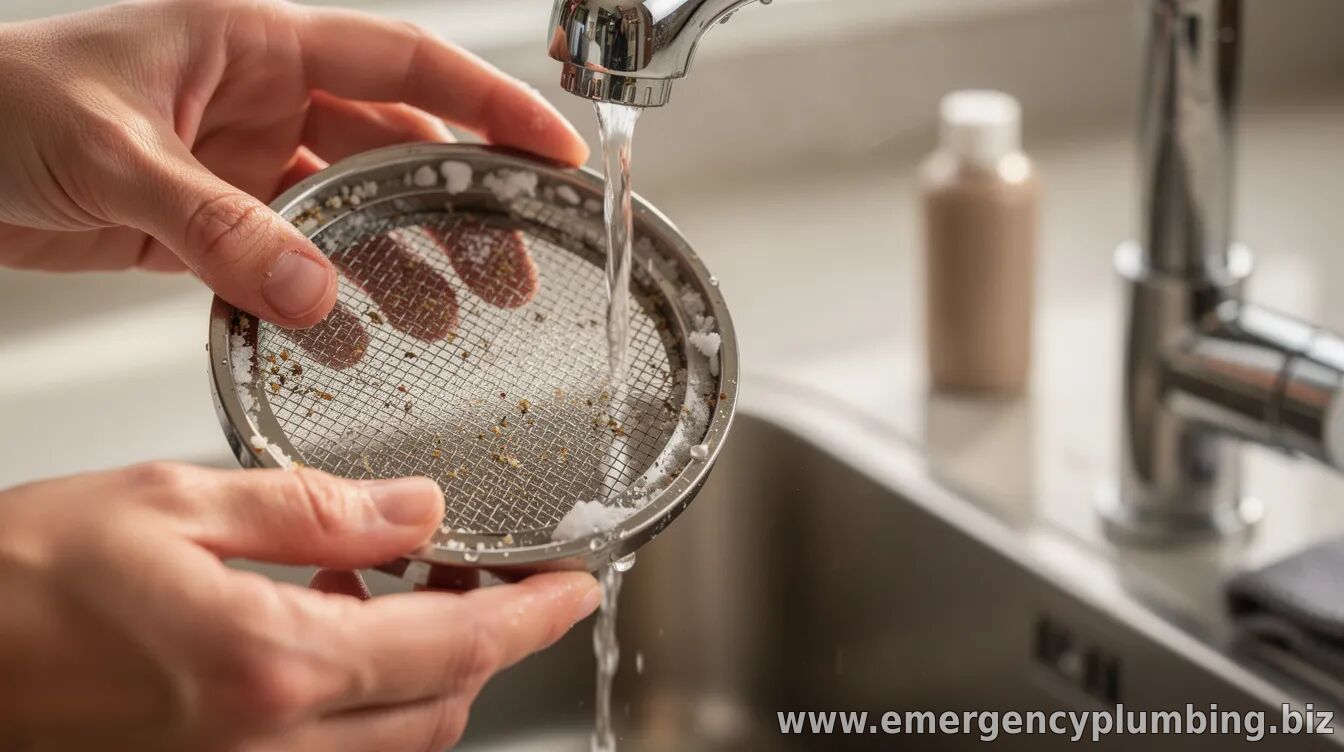
Cleaning Your Kitchen Faucet Screen: Quick, Easy Guide
Over time, mineral buildup and debris can accumulate in the screen of a kitchen faucet, reducing water flow and, in some cases, affecting water pressure. Regular cleaning is a simple maintenance task that can improve performance and prolong the life of your faucet.
What you’ll need: mild dish soap, white vinegar, a soft brush or old toothbrush, a small bowl, a cloth, and optionally a replacement screen if yours is damaged. The process is inexpensive and can usually be completed in under 15 minutes.
Step-by-step cleaning process:
- Turn off the faucet and place a towel underneath to catch drips.
- Disassemble the aerator or faucet screen carefully; note how it fits together for reassembly.
- Soak the parts in a mixture of equal parts white vinegar and warm water for 15–30 minutes to loosen mineral buildup.
- Gently scrub with a soft brush to remove deposits, then rinse thoroughly with clean ... Read more »
Comments
Post a Comment