
When Trenchless Sewer Repair Beats Full Excavation When a home or neighborhood faces sewer line damage, the default assumption is often “tear it up and replace it.” But for many pipe failures, trenchless sewer repair can offer a faster, less disruptive alternative to full excavation—sometimes with fewer costs tied to restoration of landscaping, driveways, and streets. Trenchless techniques are designed to rehabilitate or replace underground pipes with minimal open digging. Instead of exposing long sections of the sewer, crews access the line through small entry points and work below the surface. The result can be a quieter construction experience, fewer traffic interruptions, and a quicker return to normal site conditions. Less disruption to people and property One of the clearest reasons trenchless sewer repair can outperform excavation is the reduction in visible impact. Full excavation commonly requires extensive digging, s ... Read more »
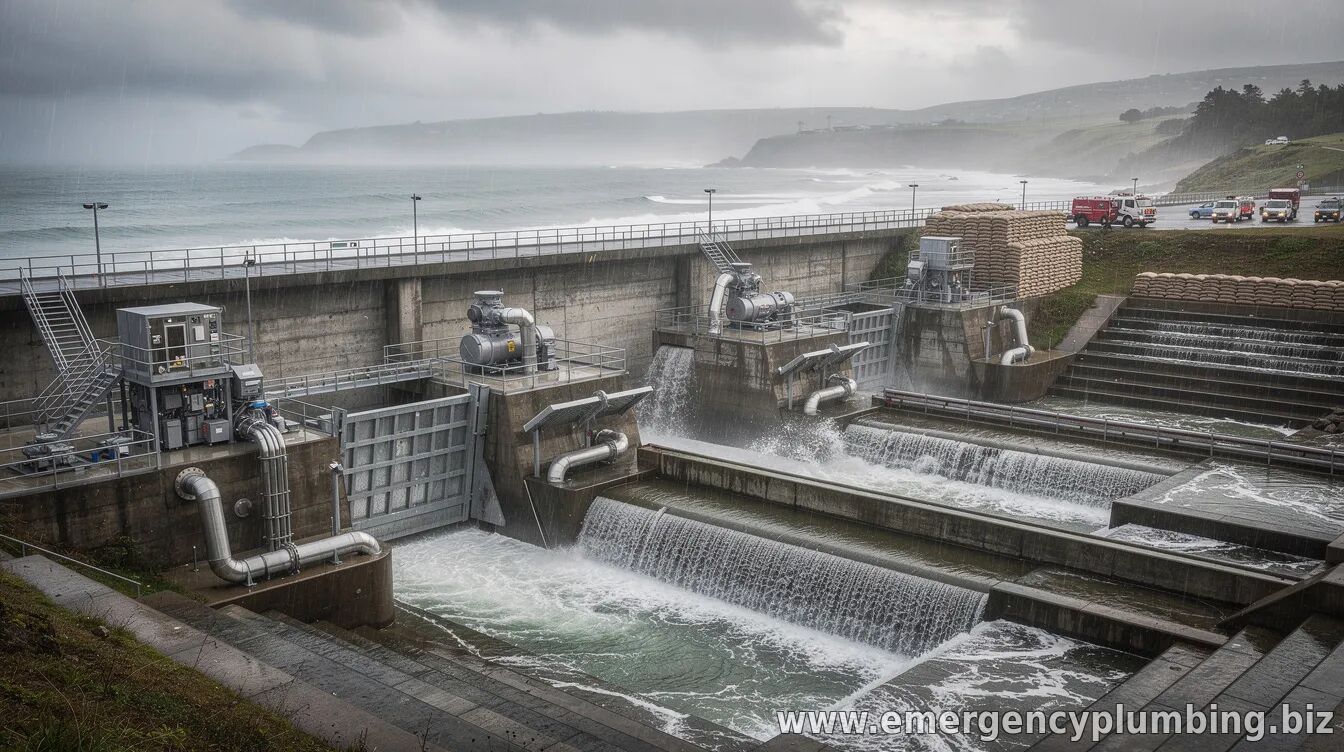
How Flood Control Systems Work: North Shore Examples
When a river rises or coastal water surges, flood damage rarely comes from a single cause. That’s why modern flood control systems are built as a network of “layers,” designed to manage water at multiple points—upstream, along shorelines, and in low-lying neighborhoods.
On the North Shore, where communities face recurring flooding from intense rainfall and tidal conditions, the most effective systems focus on controlling how fast water moves, where it goes, and how long it stays. The result is less pressure on any one structure and more resilience when conditions deteriorate quickly.
The core idea: slow, store, redirect, and protect
Most flood control programs rely on four practical strategies. First, slow water through channels, grading, and flow-control devices so it doesn’t rush into vulnerable areas. Second, store floodwater temporarily using r ... Read more »
Comments
Post a Comment