
How to Detect Water Leaks with Smart Sensors Water leaks are often invisible until they cause major damage—stained ceilings, warped flooring, or a sudden spike in utility bills. Smart sensors aim to shorten the time between a leak starting and a homeowner noticing it by continuously monitoring for signs such as moisture, abnormal flow, or pressure drops and then sending real-time alerts. While no single device is perfect for every home, combining the right sensor type with thoughtful placement and correct settings can significantly improve leak detection coverage. Start with the right sensor type Most smart leak-detection systems use one (or more) of these approaches: Moisture/contact sensors: Detect water on floors, under sinks, near water heaters, or around plumbing joints using conductivity or probe-based detection. Whole-home water leak sensors (flow/pressure): Track water ... Read more »
How to Detect Water Leaks with Smart Sensors
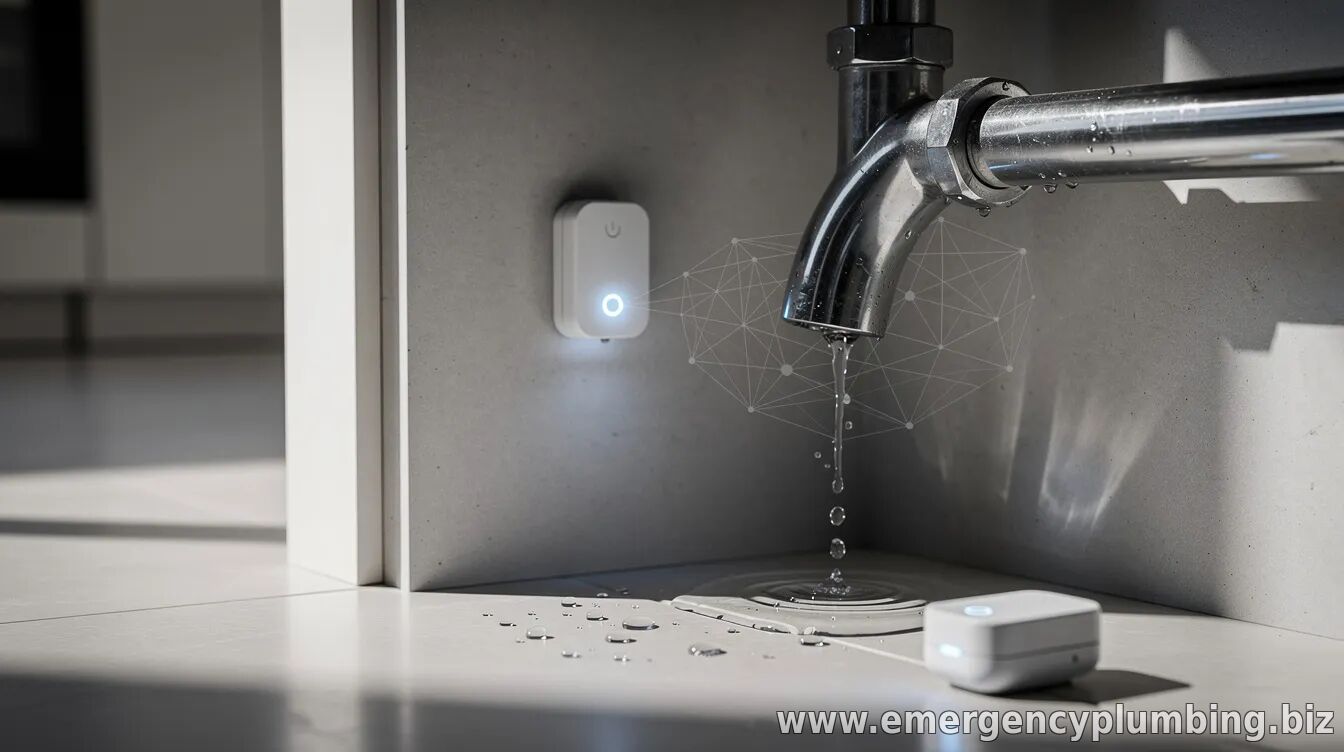
Water leaks are often invisible until they cause major damage—stained ceilings, warped flooring, or a sudden spike in utility bills. Smart sensors aim to shorten the time between a leak starting and a homeowner noticing it by continuously monitoring for signs such as moisture, abnormal flow, or pressure drops and then sending real-time alerts.
While no single device is perfect for every home, combining the right sensor type with thoughtful placement and correct settings can significantly improve leak detection coverage.
Start with the right sensor type
Most smart leak-detection systems use one (or more) of these approaches:
- Moisture/contact sensors: Detect water on floors, under sinks, near water heaters, or around plumbing joints using conductivity or probe-based detection.
- Whole-home water leak sensors (flow/pressure): Track water ... Read more »
Comments
Post a Comment