
What Is Backflow Prevention—and Why the Law Requires It Backflow prevention refers to measures designed to keep water from moving in the wrong direction—specifically, preventing contaminated or non-potable water from flowing back into a potable (drinking) water system. Under normal conditions, water moves from the utility’s mains into homes and businesses. But certain pressure changes can reverse that flow, creating a risk that pollutants could enter the drinking-water supply. Backflow can occur during events such as firefighting, major water main breaks, or malfunctioning water pressure equipment. It may also be triggered by connected systems that carry chemicals, wastewater, or other materials—especially when those connections are not properly protected. Why backflow is a public health issue If backflow happens, contaminants can be drawn into the potable water line. Depending on the source, that could include fertilizers, p ... Read more ...
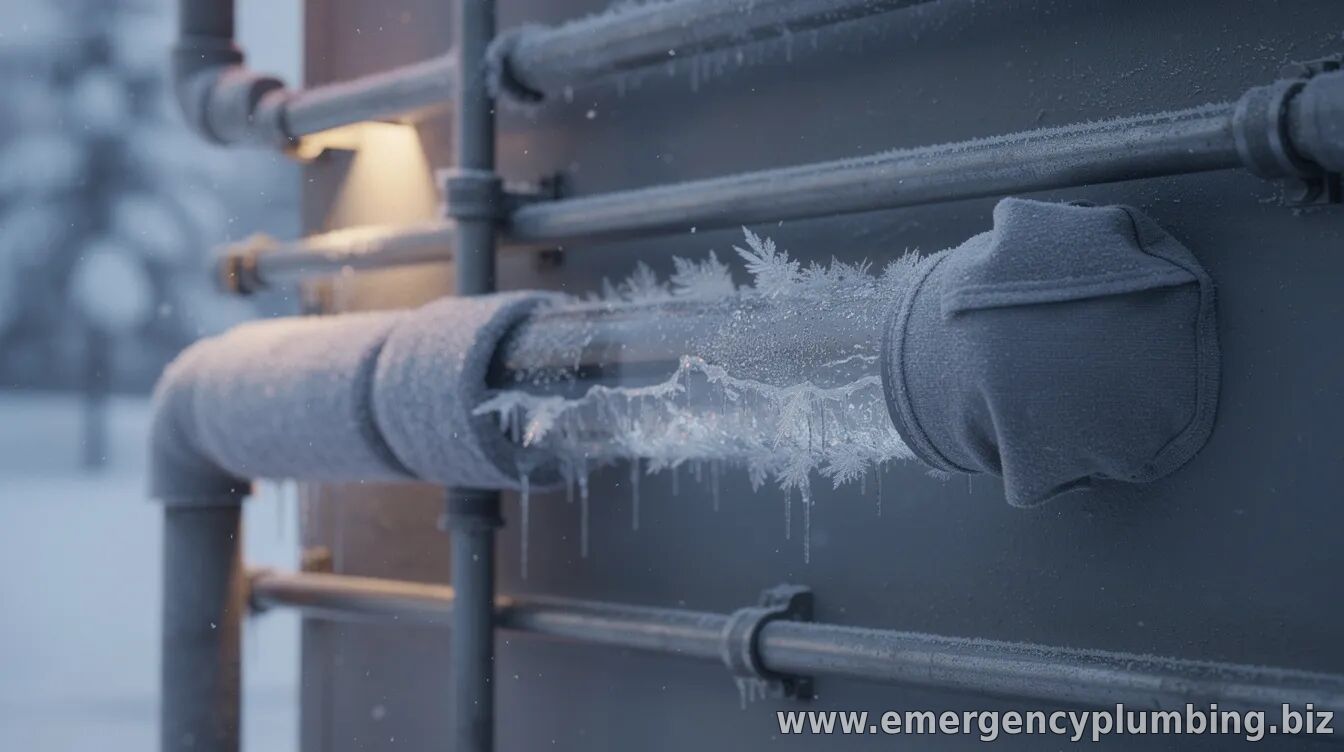
Why Pipes Freeze in Winter and How to Prevent It
As winter temperatures fall, household plumbing can be at risk—especially where pipes run through unheated spaces. When water inside supply lines gets cold enough, it can freeze, expanding and sometimes cracking pipes, leading to leaks or flooding when the ice thaws.
Most freeze-related problems start with exposure. Pipes in exterior walls, crawl spaces, garages, basements, and along uninsulated exterior runs often cool faster than plumbing inside heated rooms. Wind and drafts can worsen the drop in pipe temperature, even when the air temperature isn’t extremely low.
Freezing typically begins at the weakest points: joints, valves, and sections with poor insulation. A small ice plug can form, blocking flow. In supply lines, continued freezing can increase pressure in nearby sections and contribute to ruptures—particularly when the pipe is trapped and water can’t relieve expanding ice.
Comments
Post a Comment