Can You Use Hot Tap Water for Cooking? In many homes, the easiest way to start cooking—boiling water for pasta, warming tea, or rinsing produce—is to turn on the hot tap. But is that actually safe? In most situations, hot tap water is acceptable for cooking. However, a few plumbing and water-system factors can make cold water a safer default for drinking. Hot water safety is largely determined by what happens inside your home between the water main and the faucet. Unlike drinking water, cooking typically involves heating the water to high temperatures, which can reduce the risk from many microbial contaminants. Still, heating does not remove certain chemical contaminants, so the type of issue matters. Lead and pipe materials matter most If your home has older plumbing—such as lead service lines, lead solder, or lead-containing components—water can pick up metals as it sits in pipes. Using hot water immediately after it has be ... Read more »
Water Hammer: Causes, Risks and How to Fix It
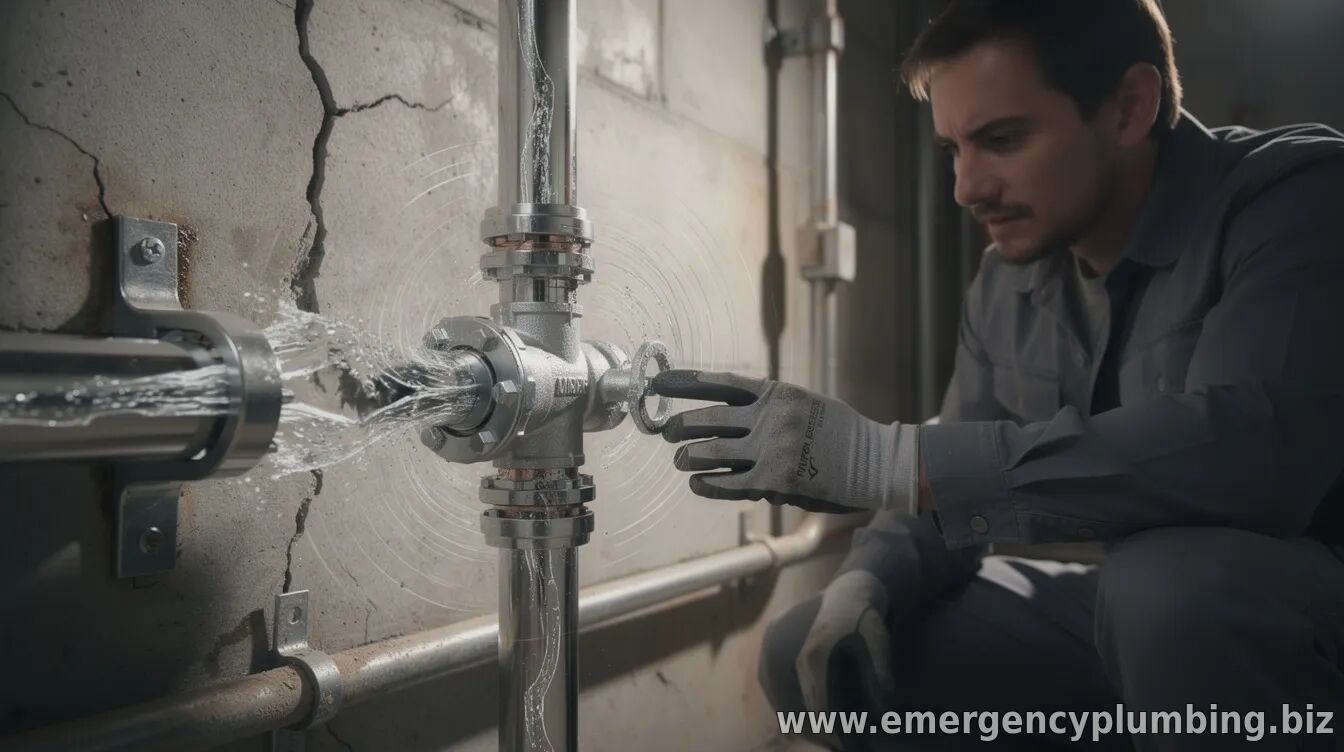
Water hammer is the familiar loud “bang” or “hammering” sound that can happen in home plumbing systems when a faucet closes, a valve shifts, or a supply line experiences a sudden change in flow. The noise comes from pressure waves traveling through the pipes—an effect similar to what you’d feel if you abruptly stopped moving water in a moving pipe network.
Although it may seem like a minor annoyance, water hammer can indicate pressure and flow conditions that may gradually damage plumbing components. Understanding why it happens is the first step toward fixing it safely and preventing repeat incidents.
What causes water hammer
Water hammer typically occurs when moving water is forced to stop quickly. Common triggers include closing a faucet rapidly, turning off an appliance valve, flushing toilets, or cycling solenoid valves in dishwashers and washing machines. The faster the ... Read more »
Comments
Post a Comment