
Do Closing Vents in Unused Rooms Save Money? Homeowners often wonder whether simply closing air vents in unused rooms is a smart way to cut heating and cooling bills. The short answer is that it can reduce energy use in some homes, but it’s not a universal money-saver—and doing it incorrectly may cause comfort problems or strain on the system. What matters most is how your heating and air-conditioning system distributes air, and whether it’s designed to handle rooms being starved of airflow. When closing vents may save energy In many conventional forced-air systems, air is moved based on thermostat calls for heating or cooling. If closing a vent significantly reduces the amount of heated/cooled air that needs to be delivered to a space—and that space would otherwise pull down overall efficiency—then energy consumption may drop slightly. For example, if an unused room is consistently colder than ... Read more »
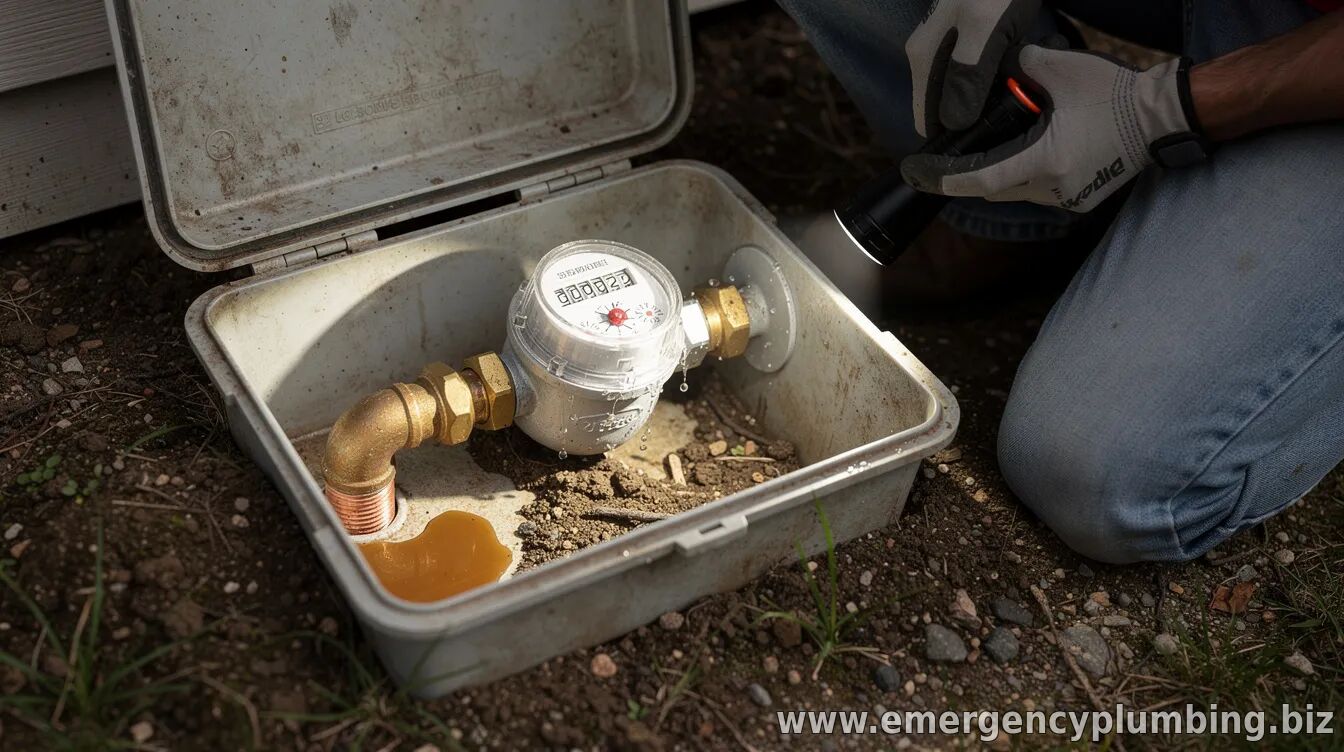
How to Read Your Water Meter and Spot Hidden Leaks
Hidden water leaks can waste thousands of gallons over time, often without obvious signs. The fastest way to investigate is to read your water meter correctly and then run a short “no-use” test to see if water is still moving. Here’s a clear, step-by-step approach you can do at home.
1) Find and identify your water meter
Most meters are located near the street or curb, sometimes behind a small access cover or in a landscaped box. Once you locate it, look for a clear label or markings that indicate how the readings are displayed. If your home has multiple meters (for example, separate meters for irrigation and indoor use), make sure you’re checking the right one.
2) Understand what you’re looking at: dials and digital displays
Water meters generally fall into two categories: digital and dial (analog). On a digital meter, t ... Read more »
Comments
Post a Comment