
Well Water vs. City Water: Different Filtration Needs Choosing a water filtration system is less about marketing claims and more about understanding your source. City water and private well water often face different contamination profiles, which means the “best” filter for one household may be incomplete for another. City water is treated and monitored by utilities to meet regulatory standards, typically involving centralized processes such as coagulation, filtration, and disinfection. Private wells, by contrast, rely on homeowners to test and address water quality—because there is no equivalent routine treatment or oversight at the tap. What’s different about well water Well water quality can vary widely depending on geology, construction, and local conditions. Common concerns include naturally occurring minerals such as iron and manganese, microbial contamination from surface sources or well infrastructure issues, and dissolved substance ... Read more »
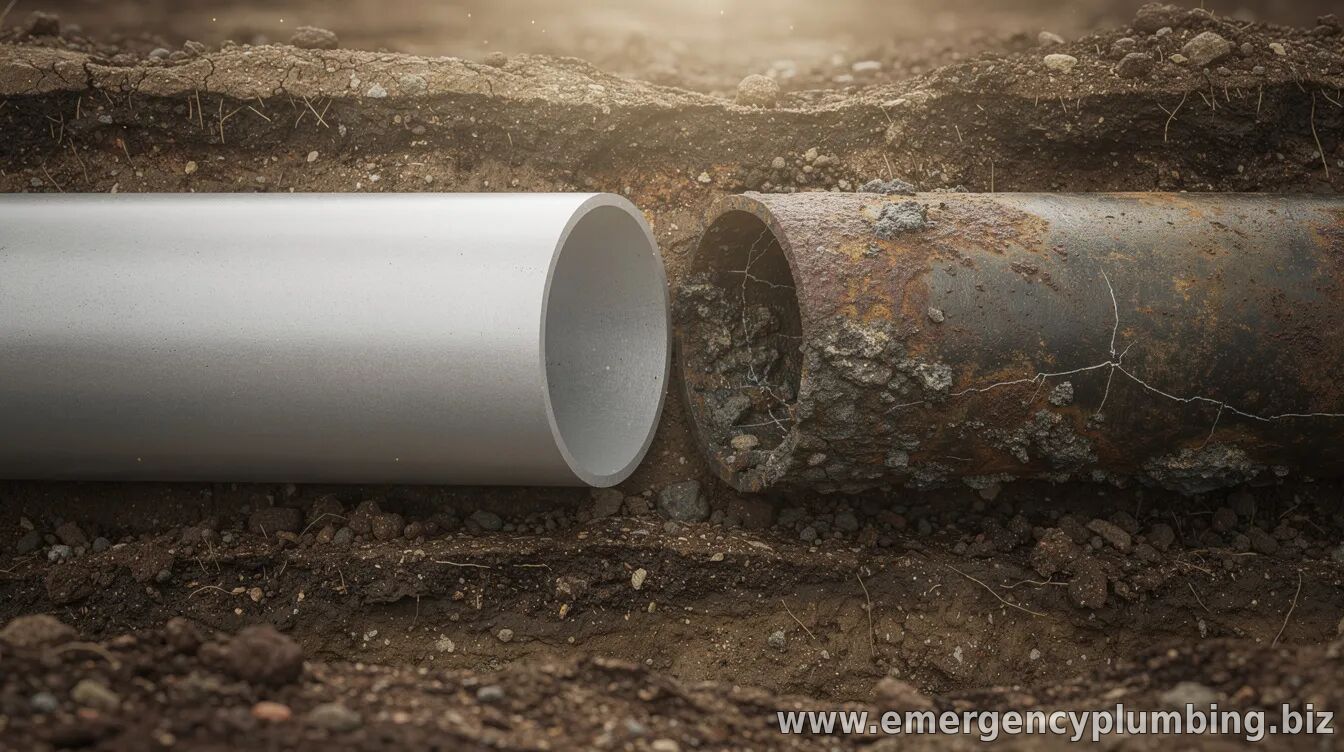
How Long Does a Sewer Line Last? Typical Lifespans and Signs
Homeowners rarely think about sewer lines until there’s a backup, foul odor, or a drain that suddenly won’t clear. But knowing how long a sewer line typically lasts—and what speeds up failure—can help you plan maintenance and avoid emergency repairs.
Typical sewer line lifespans by material
The expected service life varies widely because sewer pipes are built from different materials and installed under different conditions. In many residential settings, a sewer line can last:
- Clay (common in older homes): often 30 to 60 years
- Cast iron: commonly 50 to 75 years
- ABS/PVC (plastic): frequently 50 to 100+ years
- Brick/stone and older masonry joints: can fail earlier due to mortar and joint deterioration
Even when pipes are still pres ... Read more »
Comments
Post a Comment