Spring Plumbing Checklist After an Illinois Winter Winter weather in Illinois can be hard on home plumbing. Freeze-thaw cycles, sudden temperature swings, and indoor heating can contribute to small leaks, weakened seals, and drainage issues that may not be obvious until spring. A quick, methodical inspection now can help you catch problems early and reduce water waste and repair costs. Start with the water shutoffs and visible plumbing Before digging deeper, confirm you know where your main shutoff valve is and that it turns fully. Then inspect exposed pipes, faucets, under-sink plumbing, and any visible connections for dampness, corrosion, or mineral buildup that can indicate slow leaks. Pay special attention to areas near exterior walls, where pipes may run through unconditioned spaces. Check for leaks and water pressure changes Next, scan for subtle signs of leaks. Look for water spots on ceilings and near plumbing fixtures, check ... Read more »
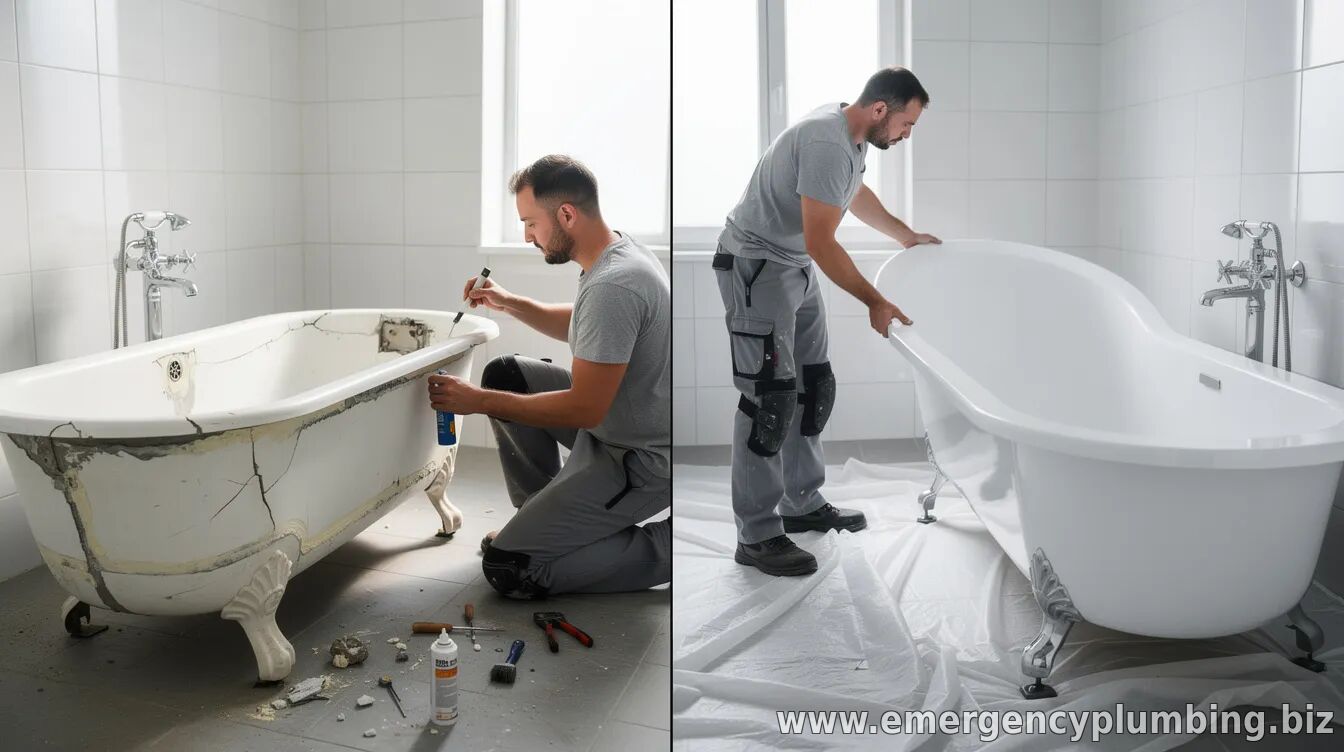
Bathtub Repair vs Replacement: How to Decide
A cracked, stained, or leaking bathtub is more than an eyesore—it can lead to water damage, mold, and costly repairs to surrounding walls and floors. When you’re deciding between bathtub repair and replacement, the key is matching the fix to the problem’s cause, severity, and the tub’s overall condition.
1) Repair is usually best for “localized” damage
Repair tends to be the smart choice when the damage is limited and the tub’s structure is still sound. Common repair-friendly issues include minor chips, small cracks, surface stains, worn caulk, and damaged reglazing or refinishing. In these cases, a contractor can often stabilize the surface and restore a watertight finish without a full teardown.
2) Replacement often makes sense when the tub’s integrity is compromised
Replacement becomes more attractive when the problem indicates deeper ... Read more »
Comments
Post a Comment