Why Is My Water Bill So High? 7 Hidden Leaks to Check If your water bill has jumped without a clear change in habits, the most common culprit is water leaking somewhere in your home or property. The good news: you can often narrow down the problem quickly with a few checks that don’t require special tools. Start with the “leak test” Before you inspect fixtures, confirm whether water is running when it shouldn’t. Turn off all faucets, stop using laundry/dishwashers, and make sure sprinklers are off. Then check your water meter—if it continues to move, you likely have a leak somewhere on your side of the meter. 7 hidden leaks to check Once you’ve confirmed ongoing flow, inspect the likely areas below. Even small leaks can add up over days and show up as a noticeably higher bill. Toilet leaks : A flapper that doesn’t fully seal, a worn fill valve, or a s ... Read more »
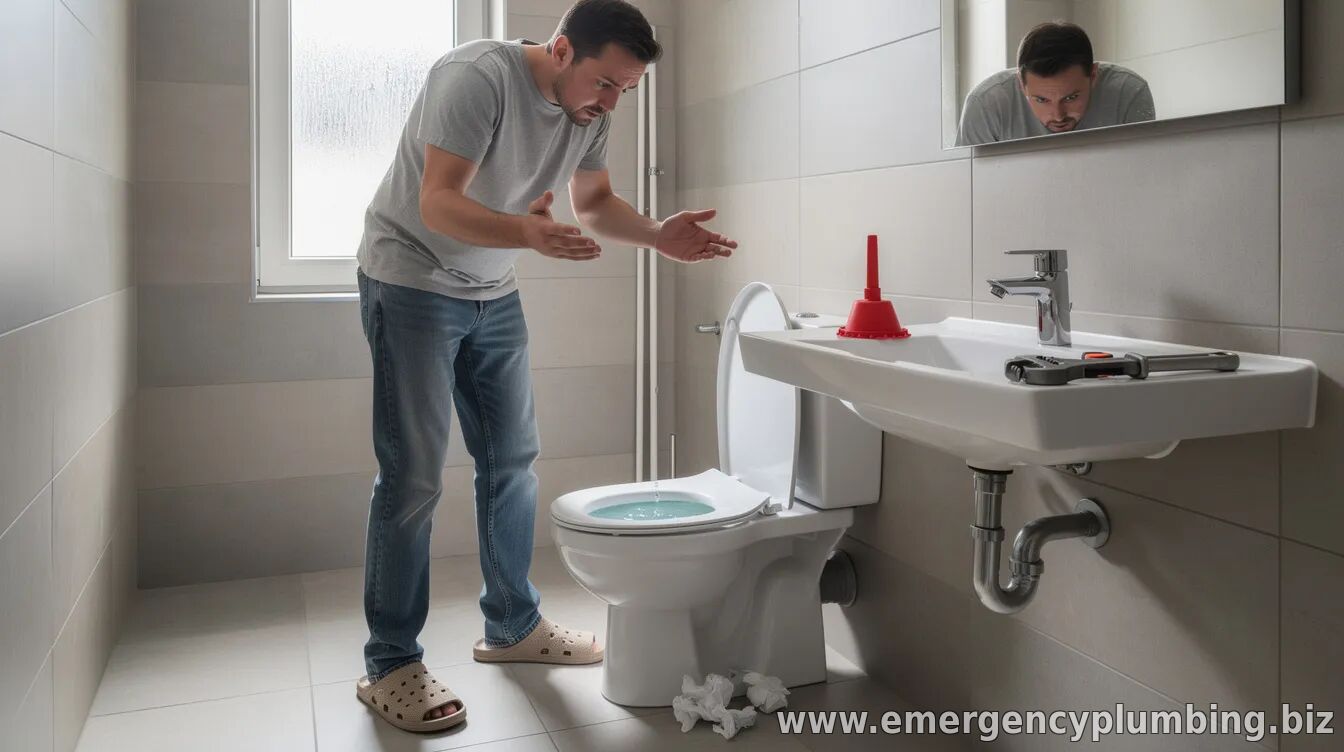
Why Is My Toilet Constantly Clogging and How to Fix It
Toilets that clog repeatedly are a frustrating household problem, but understanding the common causes can help you prevent future jams. In many cases, the issue isn’t a mystery—it’s a mix of usage patterns, hard water buildup, or venting problems that keep waste from traveling smoothly through the pipes.
What causes frequent clogs
Several factors commonly lead to repeated toilet clogs:
- Excess toilet paper: Using more sheets than the drain can handle often creates a bulky lump that can trap waste.
- }- flushing non-flushable items: wipes (even those labeled flushable), sanitary products, cotton swabs, dental floss, and similar objects don’t break down easily and can accumulate.
- Blockages in the drain line: Partial obstructions from mineral buildup or buildup in the sewer line can slow flow, causing frequent clogs.
- Low water level in the tank: If the flush ... Read more »
Comments
Post a Comment