Do You Need a Water Softener in Illinois? Homeowners in Illinois often ask whether a water softener is truly necessary. The short answer is: it depends on how hard your water is. Illinois water supplies vary by region, and hardness levels determine whether scale buildup, soap inefficiency, and appliance impacts are likely to be more than just a minor inconvenience. Hard water happens when water contains higher amounts of dissolved minerals—mainly calcium and magnesium. When heated, these minerals can form limescale deposits on water heaters, pipes, and fixtures. Over time, that buildup can reduce efficiency and leave your plumbing and glassware looking dull or spotty. Signs you might benefit from softening If you notice recurring problems that seem to return quickly, your home may be dealing with hard water. Common indicators include white residue around faucets, slow buildup of scale in kettles or showerheads, dry or itchy skin after bathing, an ......
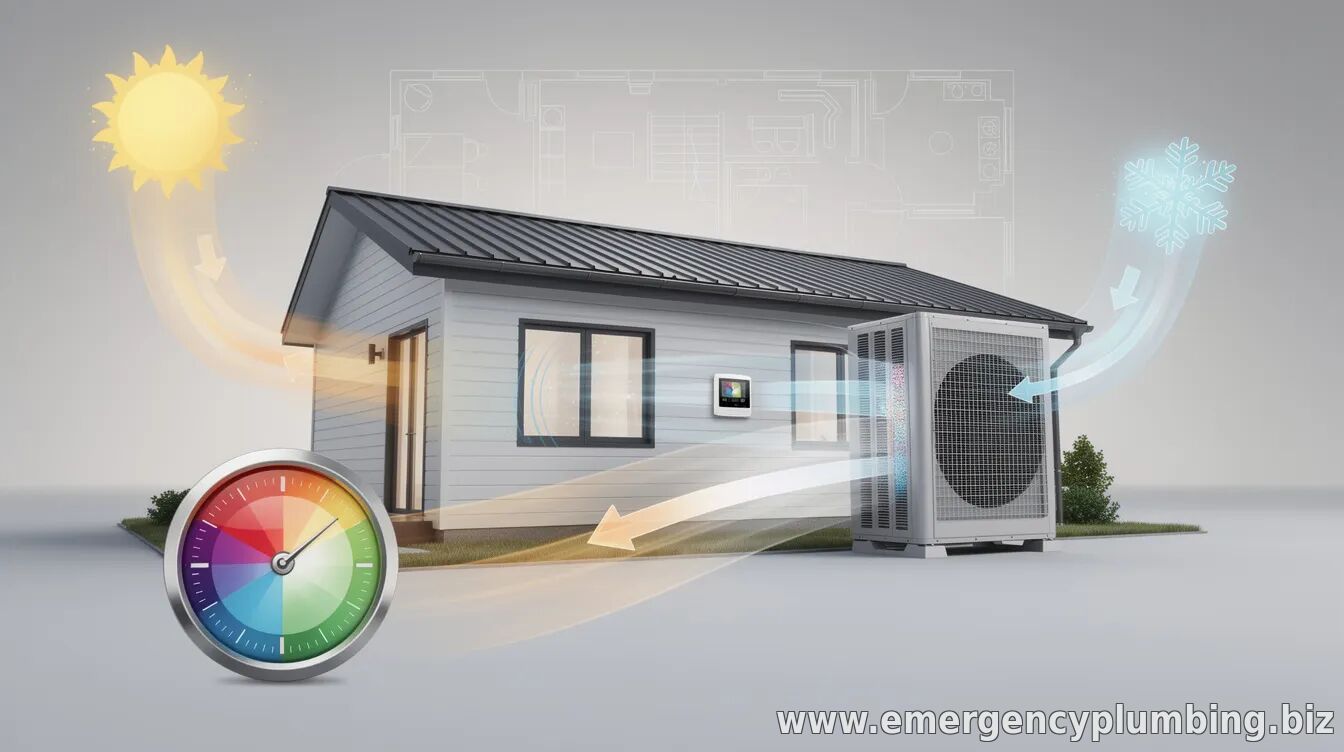
Seasonal Energy Efficiency Ratio (SEER) explained
SEER stands for Seasonal Energy Efficiency Ratio. It measures the cooling output of an air conditioner or heat pump over a typical cooling season, divided by the amount of electricity consumed in watt-hours. In simple terms, a higher SEER number means the system provides more cooling for each unit of energy used.
Manufacturers test and rate units across standardized conditions to establish SEER ratings. The rating helps consumers compare models, estimate annual energy use, and predict potential savings on utility bills. SEER is most relevant in warm or hot climates where air conditioning dominates energy consumption during the summer months.
How SEER is calculated involves calculating the total cooling output (measured in BTU) across a range of indoor/outdoor temperatures and dividing by the total electrical energy input (in watt-hours) for those tests. The result is expressed as SEER, such as SEER 14, SEER 16, or higher for more efficie ... Read more »
Comments
Post a Comment