Repair or Replace: How to Choose for Plumbing Parts When a plumbing component fails, the immediate question is usually simple: should you repair it or replace it? The best choice depends on how the failure happened, how close the component is to the end of its service life, and what a future breakdown would cost you. Below is a decision framework you can use for many plumbing parts—shutoff valves, faucets, toilets, water heaters, pipes, and fixtures—so you can weigh short-term fixes against long-term reliability. Start with the failure pattern First, consider how the component is failing. A localized issue—such as a worn washer in a faucet or a valve that won’t fully seat—often points toward a repair. But recurring leaks, multiple simultaneous symptoms, or damage caused by corrosion, freezing, or impact can indicate broader system trouble that replacement may better address. If you’ve re ... Read more »
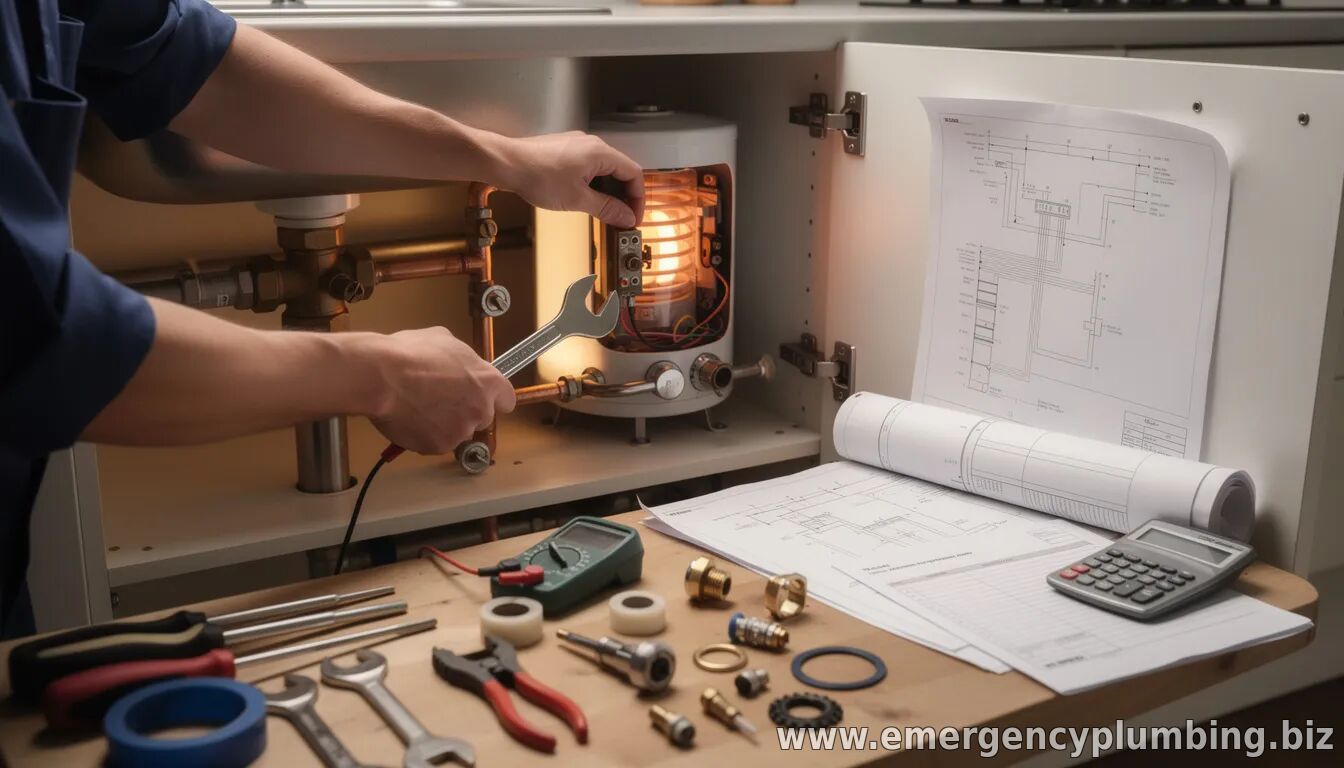
Repairing a water heater: costs and common repairs
Water heaters are a critical but often overlooked home utility. When they fail or lose efficiency, homeowners investigate repair costs before deciding whether to repair or replace. The total expense depends on the heater type, the problem, and local labor rates.
One of the main cost drivers is the type of water heater. Electric units generally have lower parts costs but may require more labor time for elements or thermostats. Gas models can involve venting considerations and access issues that raise labor charges. Tankless systems, while more energy-efficient over time, often incur higher service fees due to their compact design and specialized parts.
Typical repair items include elements or thermostats on electric heaters, gas controls or thermocouples on gas models, and heating elements on tankless units. Leaks represent a more serious issue that can signal tank failure or fitting problems, often prompting quick assessment. Sediment bu ... Read more »
Comments
Post a Comment