Can You Use Hot Tap Water for Cooking? In many homes, the easiest way to start cooking—boiling water for pasta, warming tea, or rinsing produce—is to turn on the hot tap. But is that actually safe? In most situations, hot tap water is acceptable for cooking. However, a few plumbing and water-system factors can make cold water a safer default for drinking. Hot water safety is largely determined by what happens inside your home between the water main and the faucet. Unlike drinking water, cooking typically involves heating the water to high temperatures, which can reduce the risk from many microbial contaminants. Still, heating does not remove certain chemical contaminants, so the type of issue matters. Lead and pipe materials matter most If your home has older plumbing—such as lead service lines, lead solder, or lead-containing components—water can pick up metals as it sits in pipes. Using hot water immediately after it has be ... Read more »
=
How to prepare your water heater for winter
How to prepare your water heater for winter
Winter brings higher demand for hot water and can expose weak spots in your home’s heating systems. A ready water heater helps maintain comfort and efficiency through the cold season.
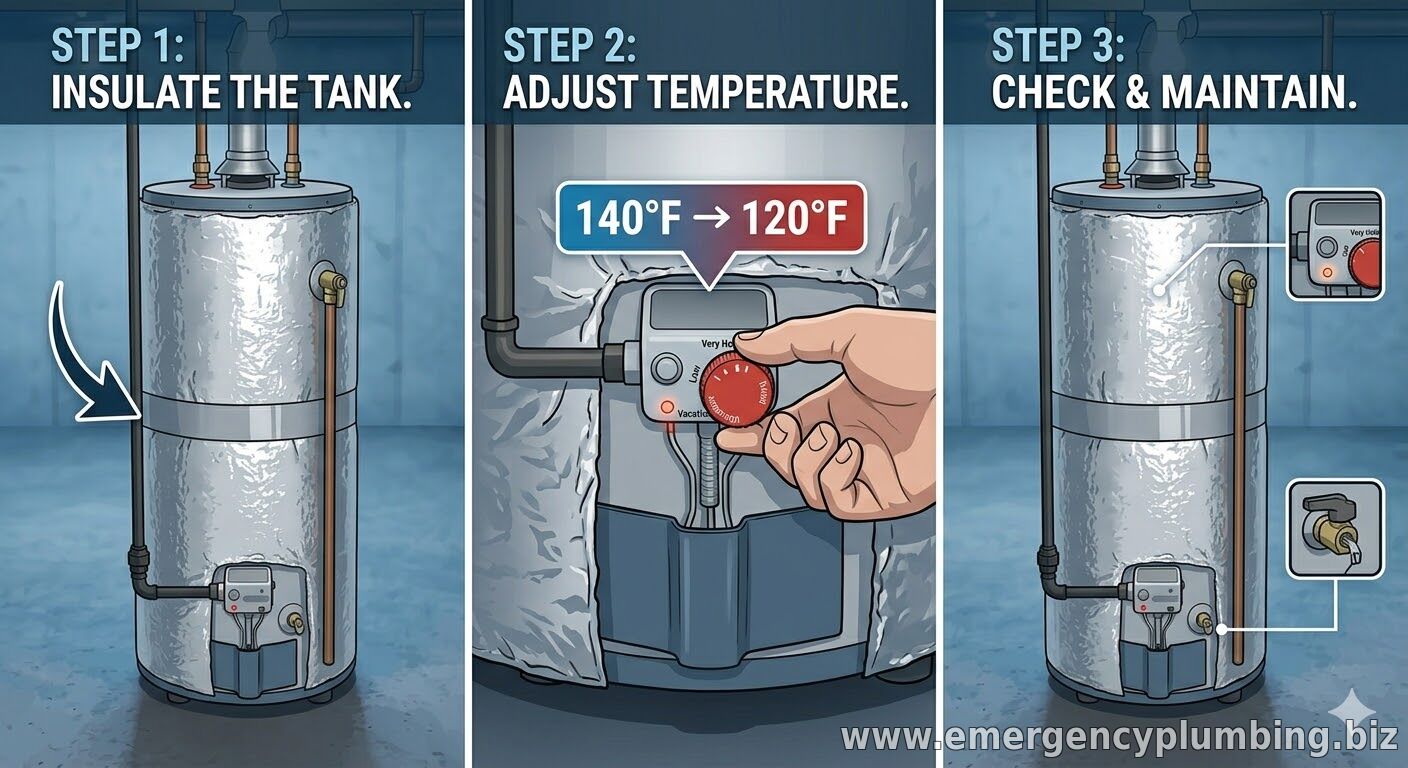
Step 1: Check thermostat settings and safety
Set the thermostat to a safe, energy-efficient temperature—typically around 120°F (49°C). This minimizes energy use and reduces the risk of scalding. If you have a tank with a display or digital control, verify the current setting against manufacturer recommendations and adjust if needed.
Inspect the unit for signs of wear, corrosion, or unusual noises. If you notice any leaks, rust, or persistent dripping, schedule a professional inspection before winter peaks.
Step 2: Flush and drain to remove sediment
Sediment buildup can reduce efficiency and shorten the heater’s life. Turn off the power or gas supply and at ... Read more »
Comments
Post a Comment