How to Choose a Licensed Plumber in Chicago North Shore When plumbing issues hit—whether it’s a leaking water heater, a clogged drain, or a malfunctioning sump pump—your first priority is finding a trustworthy professional. In the Chicago North Shore suburbs, that often means going beyond brand names and checking credentials so you know the work will be safe, compliant, and properly handled. Start with licensing and compliance. A licensed plumber should be able to provide their license number and the jurisdiction(s) they’re authorized to work in. Licensing requirements can vary depending on the type of work, so confirm that the plumber’s credentials match the job you need—especially for repairs involving gas lines, sewer work, or other higher-risk systems. Verify insurance coverage before work begins A licensed plumber should also carry appropriate insurance, typically including general liability and workers&rsquo ... Read more »
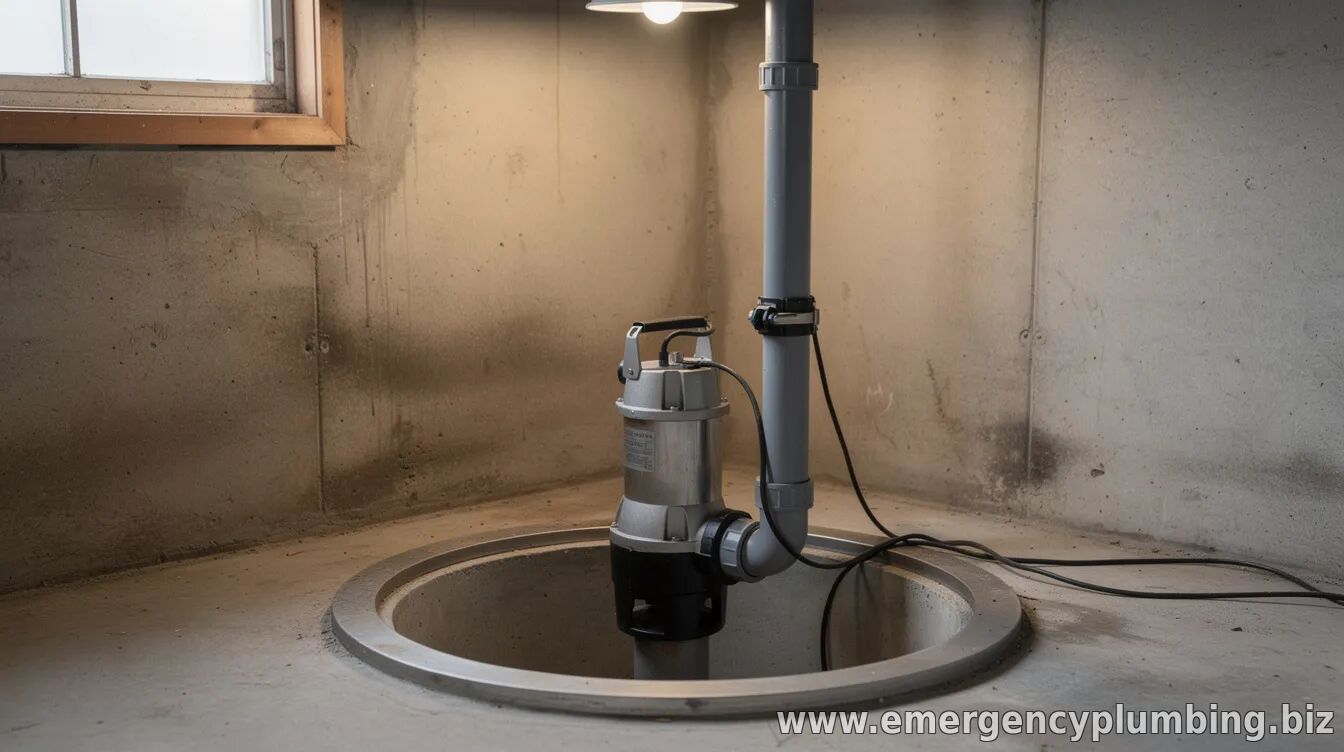
How long does a sump pump last? Lifespan, factors, and maintenance
How long a sump pump lasts depends on several factors, including the type of pump, the environment, and how well it is maintained. The most common residential units fall into two categories: submersible pumps and pedestal pumps. Submersible models are generally designed to operate quietly underwater and tend to last around 8 to 10 years with proper care. Pedestal pumps, which sit above the sump with the motor exposed, may have a shorter lifespan in some setups, often 5 to 7 years, though this can vary based on use and maintenance.
What affects lifespan
Several elements influence how long a sump pump will run before needing replacement:
- Quality and design: Higher-end units with cast iron or bronze components often resist corrosion and wear better than lower-cost plastic models.
- Usage and water conditions: Frequent pumping in heavy rainfall or persistent groundwater increases wear on impellers and ... Read more »
Comments
Post a Comment