Do Shower Filters Actually Soften Hard Water? Hard water—water with high levels of minerals like calcium and magnesium—is common in many homes. It can leave soap scum on shower walls, make hair feel less clean, and contribute to scale buildup in plumbing and fixtures. Because of that, many consumers wonder whether a shower filter can actually soften hard water, or if it only masks the symptoms. What “softening” really means True water softening is a process that reduces calcium and magnesium in the water. The most effective method is ion exchange, which replaces those minerals with sodium (or potassium). This is what home water softeners typically do, and it’s why they can prevent limescale both in appliances and on surfaces over time. Many shower filters are designed differently. Instead of replacing minerals throughout your plumbing system, they primarily target specific contaminants or byproducts at the shower head. ... Read more »
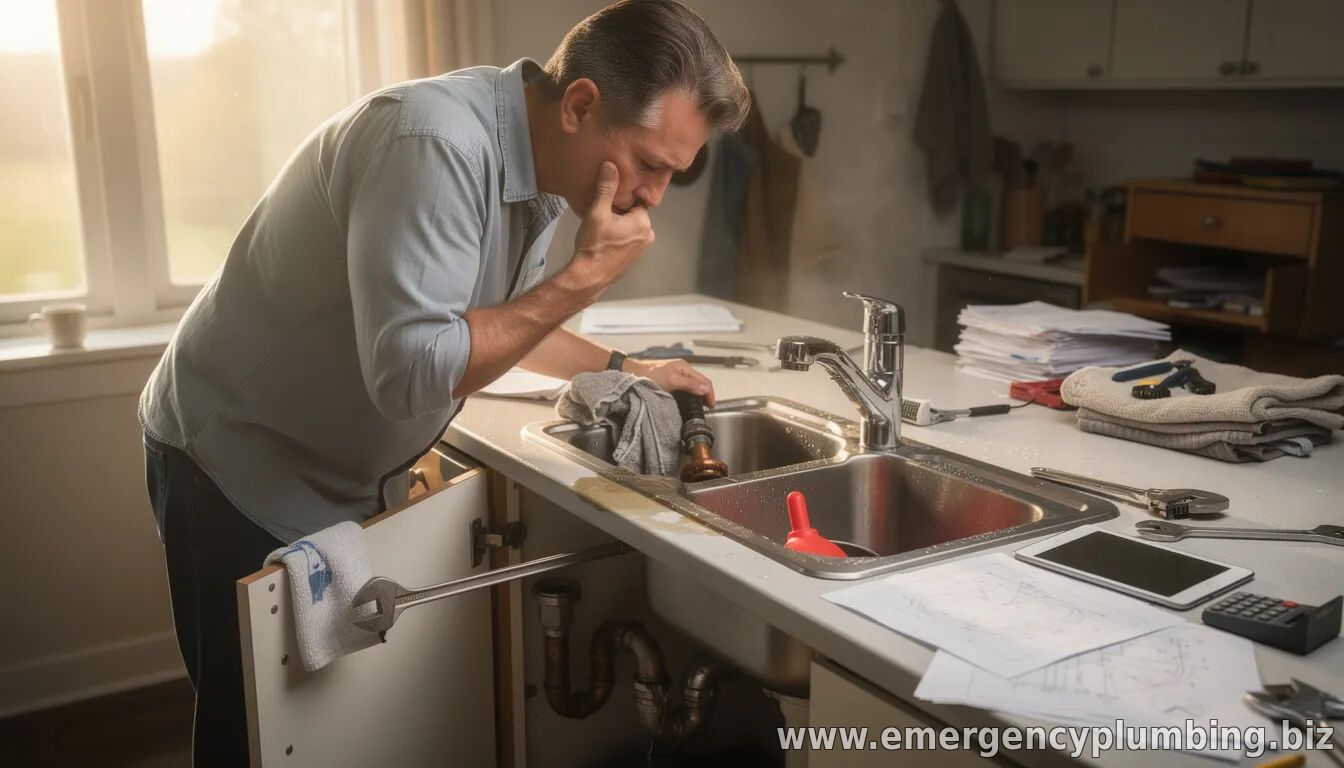
What it costs to repair plumbing or drain issues
Plumbing and drain problems can range from minor fixes to emergency repairs, and costs depend on the issue, the parts required, and labor time. The broad rule of thumb is that simple fixes are a few hundred dollars, while more complex repairs or emergency calls can run into the high hundreds or more. Knowing what drives price helps you plan and avoid surprise bills.
Key cost drivers
Several factors influence the final price for plumbing repairs:
- Issue type: Leaks, running toilets, clogged drains, and sewer line problems each have different typical costs.
- Location of the problem: Accessing a pipe in a wall or underground can require more labor and materials.
- Parts and materials: Replacing valves, traps, or sections of pipe adds to the bill; high-end fixtures cost more.
- Labor rates: Rates vary by region, license level, and time (evenings o ... Read more »
Comments
Post a Comment