
Shower vs Bath: Which Uses More Water? For people trying to cut household water use—and lower energy costs tied to hot water—the shower-versus-bath question is a common one. The practical answer: in many everyday scenarios, showers can be more water-efficient, but long, high-flow showers can quickly erase the advantage. Water consumption is mainly driven by volume (how much water flows into your drain or sits in the tub) and time (how long water runs). That means comparisons hinge on your faucet and showerhead settings, tub size, and how you use hot water during the process. Typical water use: showers A standard showerhead often uses roughly 2 to 2.5 gallons per minute , though modern “low-flow” models may be lower and some high-pressure setups can be higher. For example, a 5-minute shower could range around 10 to 12.5 gallons , while a 10-minute shower co ... Read more »
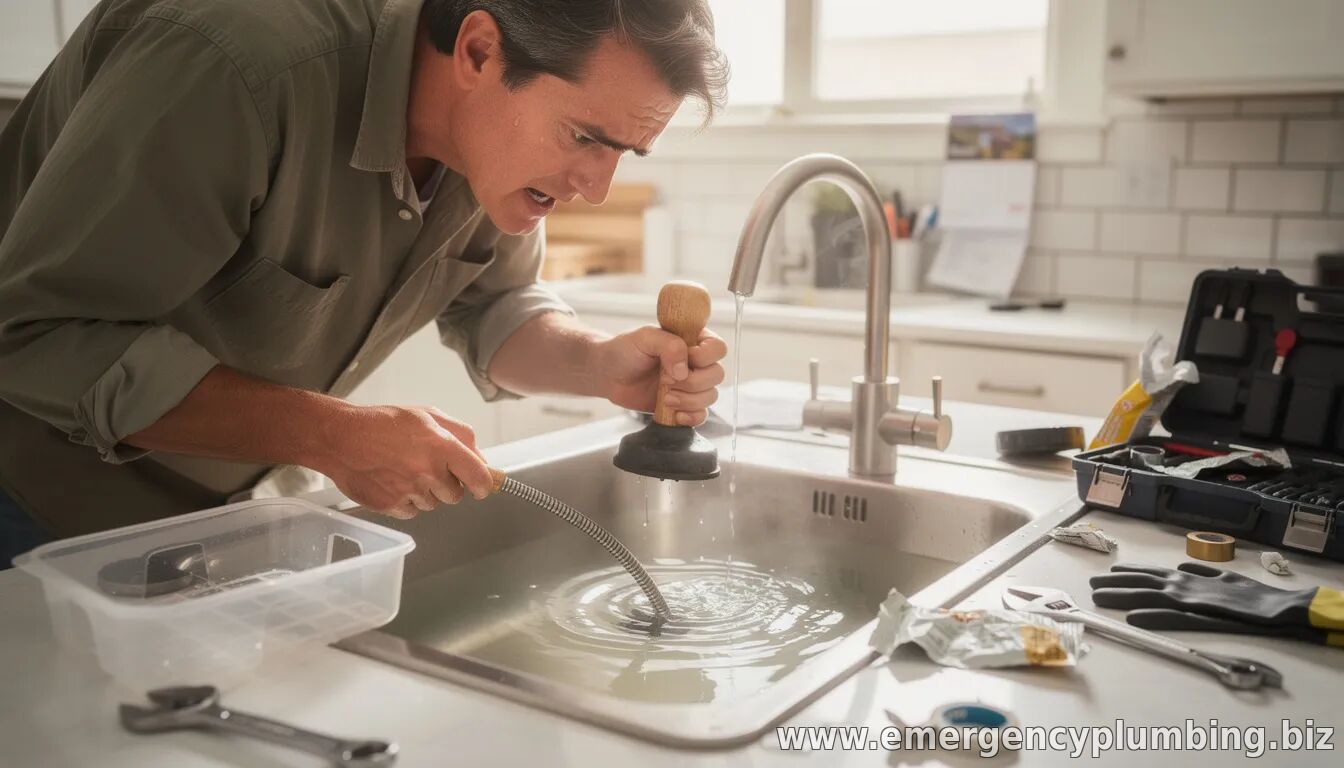
Clearing a clogged drain: the cost to unclog
When a drain backs up or runs slowly, homeowners often ask: how much does it cost to unclog a drain? The answer varies based on location, the method used, and whether you hire a professional or attempt a DIY fix. Below is a practical overview to help you estimate expenses and choose the right approach.
Average price ranges
Most professional drain unclogging jobs include a diagnostic call and a service visit fee, typically between 50 and 100. If a plumber needs to use specialized equipment, such as a snaking tool or a hydro-jet, labor and parts can push the total to roughly 150 to 450 for a single drain. Additional charges may apply for multiple drains or if the clog is severe.
Comments
Post a Comment