Commercial vs. Residential Water Heaters: Key Differences Choosing a water heater is less about picking “the biggest tank” and more about matching the system to how hot water is actually used. Commercial buildings and residential homes often face very different hot-water demands, uptime expectations, and installation constraints—differences that can drive the type, size, and maintenance plan of the equipment. At a high level, residential systems are designed around predictable daily household use. Commercial systems, by contrast, must typically handle higher usage rates, more simultaneous draws, and stricter performance targets. These factors affect everything from recovery capacity to energy efficiency and serviceability. 1) Hot-water demand: fewer spikes vs. higher throughput Residential hot-water needs usually come in cycles—morning showers, evening dishwashing, and laundry—generally spread across a smaller number of f ... Read more »
Signs Your Garbage Disposal Needs Repair or Replacement
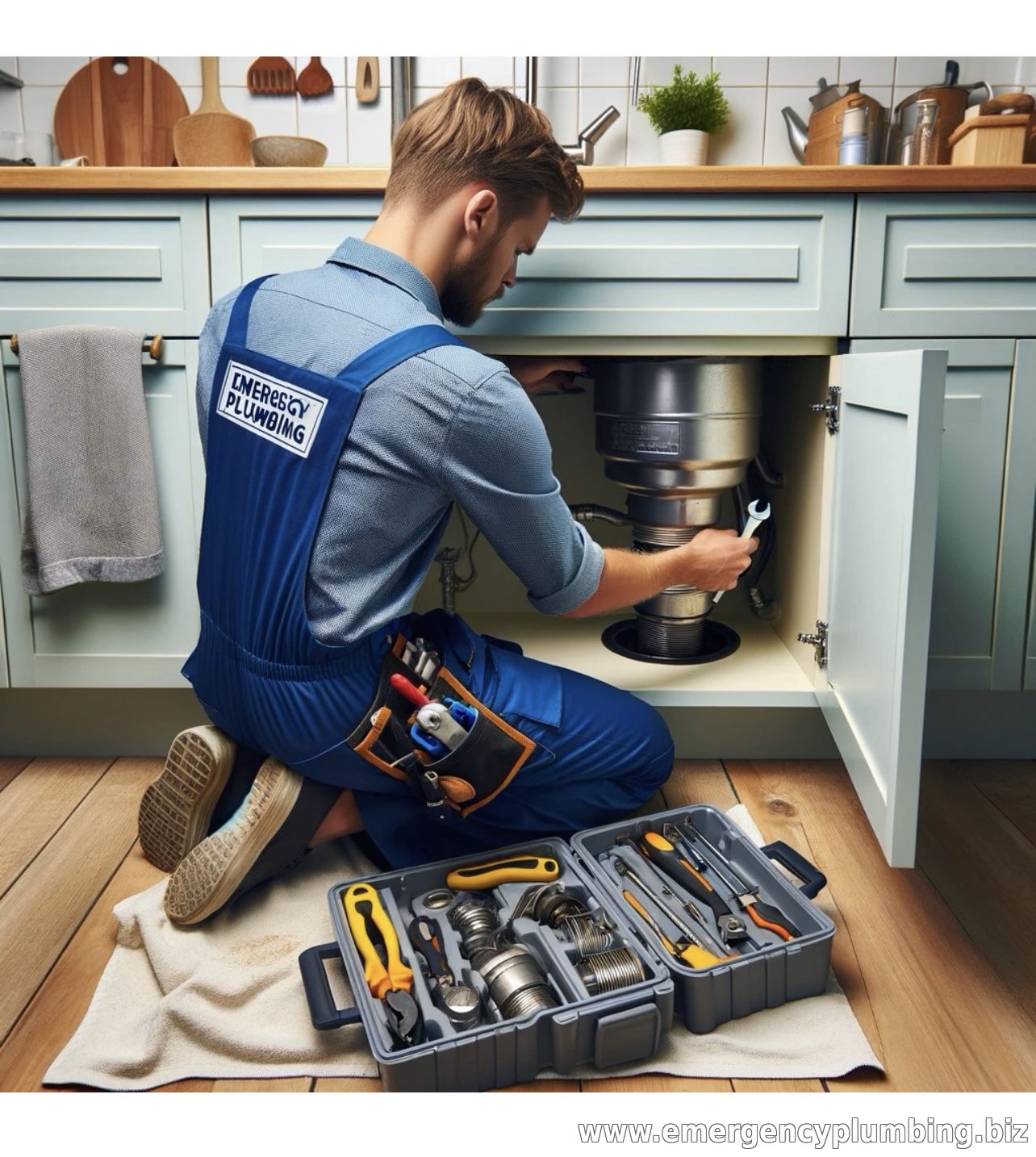
A garbage disposal can be a convenient kitchen appliance, but when it starts acting up, it can be a major inconvenience. Here are some signs that your garbage disposal might need attention:
Signs of a Failing Garbage Disposal:
- Abnormal Noises: While garbage disposals are typically loud, unusual sounds like grinding, humming, or whining are often signs of trouble.
- Frequent Resets: If you're constantly hitting the reset button, there might be an underlying issue.
- Inexplicable Clogs: Frequent clogs can indicate a problem with the disposal itself.
- No Power: If the disposal doesn't turn on at all, there might be an electrical or motor issue.
- Persistent Odors: A foul smell coming from the disposal even after cleaning can be a sign of a deeper problem.
- Leaks: Water leaking from around the disposal is a clear indication of a problem.
- Poor Performance: If the disposal is taking longer to grind food or isn't grinding it effectively, it might be time for repair or replacement.
When to Consider Replacement:
- Age: If your disposal is over 10 years old, it might be nearing the end of its lifespan.
- Multiple Repairs: If you've had to repair the disposal several times, replacement might be more cost-effective.
- Severe Damage: If the disposal is severely damaged or has sustained significant wear and tear, replacement is often necessary.
If you're unsure about the cause of the problem or the best course of action, it's always a good idea to consult a professional plumber. They can diagnose the issue and provide expert advice on repair or replacement.
Here are some tips to prevent common garbage disposal issues:
- Grind sparingly: Don't overload the disposal with food waste. Grind in small batches and run cold water while disposing.
- Avoid tough items: Don't put fibrous foods like celery, onion skins, or potato peels down the disposal. These can clog it.
- Use ice cubes: Grinding a handful of ice cubes can help sharpen the blades and clear away any debris.
- Clean regularly: Pour a mixture of baking soda and vinegar down the disposal once a month, followed by hot water, to remove odors and grease.
- Maintain proper plumbing: Ensure your pipes are clean and free of clogs to prevent them from affecting the disposal.
By following these tips, you can help your garbage disposal last longer and run smoothly.
Comments
Post a Comment