
Shower vs Bath: Which Uses More Water? For people trying to cut household water use—and lower energy costs tied to hot water—the shower-versus-bath question is a common one. The practical answer: in many everyday scenarios, showers can be more water-efficient, but long, high-flow showers can quickly erase the advantage. Water consumption is mainly driven by volume (how much water flows into your drain or sits in the tub) and time (how long water runs). That means comparisons hinge on your faucet and showerhead settings, tub size, and how you use hot water during the process. Typical water use: showers A standard showerhead often uses roughly 2 to 2.5 gallons per minute , though modern “low-flow” models may be lower and some high-pressure setups can be higher. For example, a 5-minute shower could range around 10 to 12.5 gallons , while a 10-minute shower co ... Read more »
Garbage disposal manufacturer guidelines |
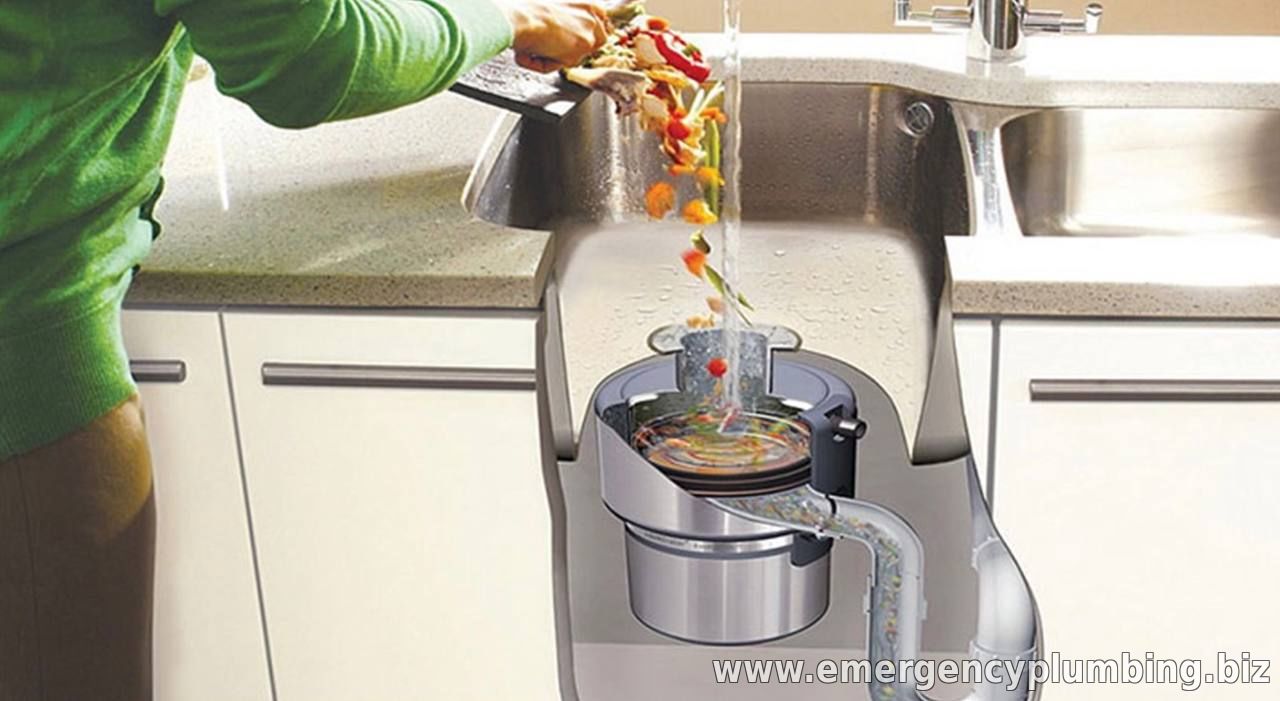
According to most garbage disposal manufacturer guidelines, there are several items that should not be put into a garbage disposal. These include:
1. Non-food items: Garbage disposals are designed to handle food waste only. Non-food items such as plastic, metal, glass, or paper should not be disposed of in the garbage disposal.
2. Hard or dense materials: Avoid putting hard or dense items like bones, fruit pits, shells, or coffee grounds in the disposal. These can damage the blades or cause clogs. 3. Grease, oil, or fat: Pouring large amounts of grease, oil, or fat down the disposal can lead to clogs and odors. It's best to dispose of these in a separate container and throw them in the regular trash.
4. Fibrous foods: Foods like celery, corn husks, onion skins, and artichokes contain fibrous materials that can tangle around the disposal blades and cause jams.
5. Starchy foods: Foods like pasta, rice, or potatoes can expand when exposed to water, leading to clogs in the disposal or pipes.
6. Harsh chemicals: Avoid pouring bleach, drain cleaners, or other harsh chemicals down the disposal, as they can damage the unit and potentially harm the environment.
|
Comments
Post a Comment